
Aging in Place Modifications: Home Improvements for Accessibility and Comfort for Seniors
Aging in Place Modifications: Home Improvements for Accessibility and Comfort for Seniors

PowerArticles
Jan. 29, 2024
In home improvement, addressing the needs of seniors is crucial, and Aging in Place Modifications stand out as a key focus area. As individuals age, maintaining independence and comfort within their homes becomes a paramount concern. This article aims to educate home improvement companies on the significance of making residences more accessible and comfortable for seniors. From simple changes like installing grab bars and non-slip flooring to more extensive modifications such as ramps and widened doorways, these adaptations can significantly enhance the quality of life for aging individuals.
By understanding the unique challenges seniors face and the potential modifications that can mitigate these challenges, home improvement companies can play a vital role in fostering a safe and supportive environment for the elderly, allowing them to age gracefully in the familiarity and warmth of their own homes.
Understanding the Needs of Seniors
To effectively address the requirements of aging individuals, it is crucial for home improvement companies to comprehend the multifaceted nature of these needs. This section delves into the intricate layers of understanding the needs of seniors, emphasizing the importance of adapting homes to enhance accessibility and comfort.
Mobility challenges
Seniors often encounter mobility challenges as a natural part of aging. Home improvement companies should be attuned to the fact that seniors may experience difficulties in moving around their homes. This includes navigating stairs, getting in and out of bathrooms, and traversing narrow doorways. Simple solutions, such as installing ramps, grab bars, and wider doorways, can significantly enhance the mobility of seniors within their homes. These modifications contribute not only to physical well-being but also to the preservation of independence.
Vision and hearing impairments
Understanding the prevalence of vision and hearing impairments among seniors is imperative for home improvement professionals. Diminished eyesight and hearing can pose safety risks, making it crucial to incorporate modifications that address these concerns. Adequate lighting, contrasting colors for better visibility, and incorporating visual and auditory cues can substantially improve the overall safety and functionality of a senior-friendly home.
Memory issues
Cognitive considerations are paramount when tailoring home improvements for seniors. Memory issues, common among aging individuals, necessitate modifications that reduce the risk of accidents and promote a sense of security. Implementing features like clear signage, organization systems, and strategically placed reminders can help mitigate the impact of memory challenges, fostering a safer and more comfortable living environment.
Safety concerns
Safety concerns, encompassing various aspects of daily living, must be at the forefront of home improvement strategies for seniors. This includes addressing potential hazards in the kitchen, bathroom, and other high-traffic areas. Installing anti-slip flooring, handrails, and accessible storage solutions are essential steps in creating a home environment that minimizes safety risks and promotes a sense of security for seniors.
Key Areas for Home Modifications
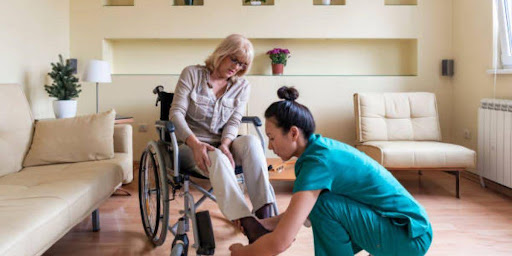
Aging in Place Modifications play a crucial role in enhancing accessibility and comfort for seniors within their homes. Home improvement companies seeking to cater to the needs of aging individuals must focus on key areas that significantly impact daily living.
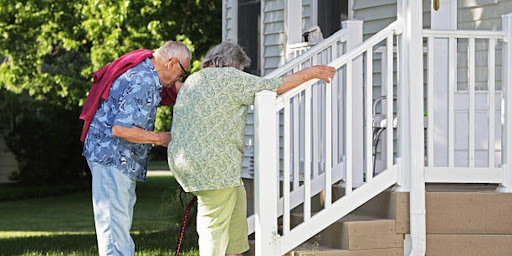
The entrance to a home is the gateway to independence for seniors. Ramps and railings are paramount in facilitating easy access. Installing a ramp at the entrance eliminates the need for navigating stairs, ensuring a smooth and safe transition for those with mobility challenges. Additionally, sturdy railings offer much-needed support for individuals with balance issues.
Doorway adjustments are another critical aspect of creating an accessible entrance. Widening doorways allows for easy passage of mobility aids such as wheelchairs or walkers. This simple modification can significantly enhance the overall accessibility of the home.
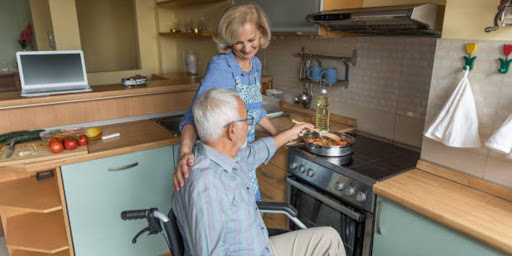
The kitchen is often considered the heart of a home, and making it accessible is essential for seniors. Accessible countertops and cabinets are key modifications. Lowering countertop heights allows individuals using wheelchairs to comfortably prepare meals. Similarly, installing pull-out shelves in cabinets eliminates the need for excessive reaching, promoting independence and safety.
Appliance modifications can make daily tasks more manageable for seniors. Consideration should be given to installing appliances at reachable heights, minimizing the need to bend or stretch. Lever-handled faucets and easy-to-use controls on stoves and ovens also contribute to a more user-friendly kitchen environment.
The bathroom is a space where safety is of utmost importance. Installing grab bars and handrails near the toilet and in the shower area provides crucial support for seniors. These modifications reduce the risk of slips and falls, fostering a secure bathing experience.
Walk-in tubs or roll-in showers are transformative modifications for the bathroom. They eliminate the need to step over high thresholds, ensuring easy access for individuals with limited mobility. These modifications not only enhance safety but also promote independence, allowing seniors to maintain their personal hygiene with dignity.
Creating a comfortable and accessible bedroom environment is essential for seniors to enjoy a good quality of life. Adjustable beds provide versatility, allowing individuals to find the most comfortable sleeping position. This is particularly beneficial for those with medical conditions such as arthritis or respiratory issues.
Adequate lighting is a simple yet impactful modification for the bedroom. Well-lit spaces reduce the risk of accidents and enhance visibility for seniors with diminishing eyesight. Installing bedside lamps with easy-to-reach controls and motion-sensor lighting can further contribute to a safe and accessible bedroom.
Flooring and Lighting
When catering to the needs of seniors in the realm of home modifications, paying special attention to flooring and lighting is paramount for ensuring safety, accessibility, and overall comfort.
Choosing the right flooring is paramount in preventing slips and falls for seniors. Home improvement companies should recommend non-slip flooring options, such as textured tiles or non-skid rugs. These materials enhance traction, reducing the risk of accidents. Additionally, professionals should consider installing flooring with minimal height variation to facilitate easy mobility for seniors using mobility aids like walkers or wheelchairs.
Proper lighting is crucial for seniors with reduced vision. Home improvement companies should prioritize installing lighting fixtures that offer sufficient illumination in key areas like hallways, stairs, and bathrooms. Adjustable lighting is essential to accommodate varying preferences and needs. Incorporating features like motion sensors or smart lighting systems can enhance accessibility, ensuring well-lit spaces without the need for manual adjustments.
Home improvement experts must focus on identifying and eliminating tripping hazards within the home environment. This involves securing loose carpets, removing clutter, and ensuring that cables and wires are neatly tucked away. Additionally, professionals should recommend the installation of handrails along staircases and grab bars in bathrooms to provide additional support for seniors as they move around their homes.
Conclusion
In conclusion, prioritizing aging in place modifications is crucial for ensuring the well-being and comfort of seniors in their homes. Home improvement companies play a pivotal role in this mission, as they can offer tailored solutions to enhance accessibility and ease for elderly residents. By understanding the unique needs of seniors, these companies can implement thoughtful adjustments such as ramps, grab bars, and wider doorways, making homes more accommodating. Simple yet effective modifications not only empower seniors to maintain their independence but also contribute to a safer and more enjoyable living environment.
Published By
PowerArticles
Jan. 29 2024