
A Guide to Window and Door Maintenance and Longevity
A Guide to Window and Door Maintenance and Longevity
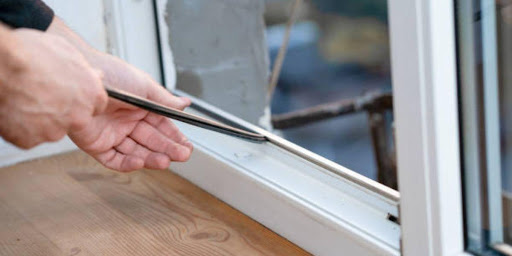

PowerArticles
July 17, 2023
Welcome to “A Guide to Window and Door Maintenance and Longevity,” an indispensable resource tailored specifically for professionals in the window and door installation industry. In this comprehensive guide, we will explore the essential practices and expert tips to ensure the optimal performance and longevity of windows and doors. From initial installation considerations to routine maintenance and troubleshooting, this guide equips you with the knowledge and skills necessary to deliver superior service and maximize customer satisfaction. So, let’s delve into the world of window and door maintenance, where excellence meets longevity.
Understanding Window and Door Materials
When it comes to selecting windows and doors for installation, understanding the different types of materials available is crucial. Each material has its own unique properties, benefits, and drawbacks that can impact the maintenance and longevity of these fixtures. In this section, we will explore the various window and door materials, their pros and cons, and the factors to consider when selecting materials for installation.
Wood:
Wood has been a popular choice for windows and doors for centuries due to its natural beauty and insulating properties. It offers excellent thermal performance and can be customized to fit any architectural style. However, wood requires regular maintenance, such as painting or staining, to protect it from moisture, rot, and pests.
Vinyl
Vinyl windows and doors are known for their affordability and low maintenance. They are resistant to moisture, rot, and fading, making them an ideal choice for areas with harsh climates. However, they may not have the same aesthetic appeal as wood, and their color options may be limited.
Aluminum
Aluminum is a durable and lightweight material commonly used in commercial settings. It is resistant to corrosion and requires minimal maintenance. However, aluminum is not as energy-efficient as other materials and may conduct heat or cold, leading to potential energy loss.
Fiberglass
Fiberglass windows and doors offer a high level of durability and energy efficiency. They are resistant to warping, rot, and pests, and can mimic the look of wood. Fiberglass requires little maintenance and can withstand extreme weather conditions. However, it tends to be more expensive than other materials.

Wood:
- Pros: Natural beauty, excellent insulation, customizable.
- Cons: Requires regular maintenance, susceptible to moisture and pests.
Vinyl:
- Pros: Affordable, low maintenance, moisture and fade-resistant.
- Cons: Limited color options, may lack aesthetic appeal.
Aluminum:
- Pros: Durable, lightweight, low maintenance, corrosion-resistant.
- Cons: Not as energy-efficient, potential for heat or cold transfer.
Fiberglass:
- Pros: Highly durable, energy-efficient, and resistant to warping and pests.
- Cons: More expensive than other materials.
- Climate: Consider the weather conditions in the installation area to choose a material that can withstand temperature changes, moisture, or extreme weather events.
- Energy efficiency: Look for materials with good insulation properties to reduce energy loss and improve energy efficiency.
- Aesthetic preferences: Consider the desired look and style of the windows and doors to ensure they complement the overall design of the building.
- Maintenance requirements: Evaluate the time and effort required for maintenance and factor it into the decision-making process.
- Budget: Determine the available budget and weigh it against the desired material’s cost, considering both short-term and long-term expenses.

Pre-Installation Preparation
Before proceeding with the installation of windows and doors, thorough pre-installation preparation is essential to ensure a successful and long-lasting outcome. This section will explore the key aspects of pre-installation preparation, providing guidance for both professionals and homeowners.
The first step in pre-installation preparation is conducting a comprehensive site inspection and accurate measurement of the window or door openings. This involves assessing the dimensions, shape, and condition of the existing openings to determine the appropriate size and type of windows or doors needed. Precise measurements are crucial to ensure a proper fit and prevent any future issues.
Examining the existing structure is crucial to identify any structural deficiencies or potential problems that may affect the installation process or the longevity of the windows and doors. This assessment helps professionals determine if any repairs or reinforcements are necessary before installation.
During the pre-installation phase, it is essential to identify and address potential challenges that may arise during the installation process. This includes assessing accessibility, weather conditions, and any obstacles that could hinder the installation. Identifying these challenges beforehand allows professionals to develop appropriate solutions and contingency plans to ensure a smooth installation process.
Proper ventilation and insulation are crucial for maintaining energy efficiency and preventing moisture-related issues. During the pre-installation preparation, professionals should evaluate the existing ventilation system and insulation to determine if any upgrades or modifications are necessary. This step ensures optimal performance and longevity of the windows and doors.
Installation Techniques for Longevity
Proper installation techniques play a crucial role in ensuring the longevity and performance of windows and doors. This section will discuss the key factors that professionals should consider when installing windows and doors to maximize their lifespan and functionality.
a) New Construction Installation: This method involves installing windows and doors while constructing a new building. It allows for precise integration into the structural framework and ensures optimal performance and longevity.
b) Replacement Installation: When replacing existing windows and doors, professionals must select the appropriate technique based on the condition of the building’s structure and the type of replacement window or door. This method requires careful removal of the old unit and precise installation to prevent any damage to the structure.
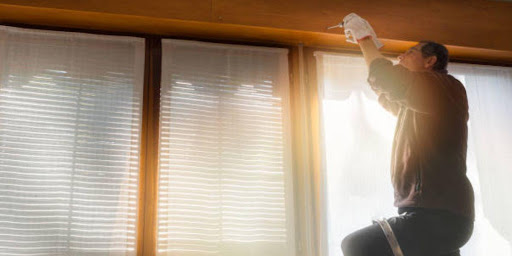
To enhance longevity, professionals must employ effective sealing and weatherproofing techniques. This involves applying high-quality sealants and weatherstripping to create an airtight and watertight seal around the window or door frame. Proper sealing prevents drafts, moisture intrusion, and heat loss, thereby improving energy efficiency and reducing the risk of water damage or rot.
Using appropriate anchoring and fastening methods is essential for long-lasting window and door installations. This includes selecting the right fasteners, such as screws or nails, that provide secure attachment to the structural framing. Additionally, employing anchoring systems, such as expansion anchors or brackets, adds stability and durability to the installation.
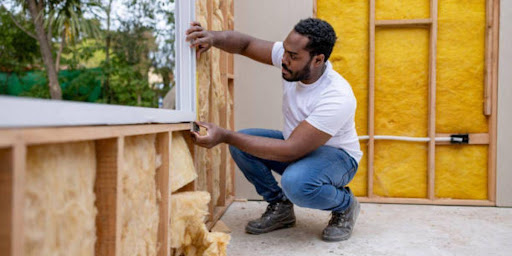
When installing windows and doors, professionals must ensure proper integration with the existing structural components of the building. This involves aligning the window or door frame accurately, verifying the squareness and plumbness, and securely attaching it to the surrounding structure. Proper integration helps distribute the load evenly, minimizing stress on the unit and extending its lifespan.
Proper drainage and water management techniques are vital to prevent water infiltration and potential damage. This includes installing flashing around the perimeter of the window or door, which directs water away from the unit and prevents moisture penetration. Additionally, professionals should incorporate appropriate drainage systems, such as weep holes, to allow any trapped moisture to escape.
Routine Maintenance Practices
Routine maintenance practices are essential for ensuring the longevity and optimal performance of windows and doors. This section of the guide focuses on the various tasks that professionals should regularly undertake to maintain the quality and functionality of installed windows and doors.
To keep windows and doors in pristine condition, regular cleaning is necessary. Professionals should use appropriate cleaning products and tools suitable for the specific materials of the windows and doors. For example, mild soap and water can be used for most surfaces, while specialized cleaners may be required for certain materials such as glass, vinyl, or wood. Following manufacturer guidelines and using non-abrasive cleaning tools will help prevent damage.
Professionals should regularly inspect and maintain the hardware components of windows and doors. This includes hinges, locks, handles, and any other moving parts. Checking for loose screws, rust, or signs of wear is crucial. Tightening loose hardware, lubricating moving parts, and replacing damaged components will help ensure smooth operation.
Regular lubrication is necessary to keep moving parts functioning properly. Applying lubricants to hinges, tracks, rollers, and other mechanisms will reduce friction and prevent wear. Additionally, professionals should check for any misalignment or sticking issues and make necessary adjustments to ensure the smooth opening and closing of windows and doors.
Professionals should be familiar with common issues that may arise with windows and doors and have the knowledge to address them. This includes repairing or replacing cracked or broken glass, fixing drafty areas, adjusting weatherstripping, and resolving issues with locks or latches. Promptly addressing these issues will prevent further damage and maintain the overall integrity of the windows and doors.
Over time, certain components of windows and doors may wear out and require replacement. This includes weatherstripping, seals, gaskets, and hardware. Professionals should regularly assess the condition of these components and recommend replacements when necessary. Ensuring that worn-out parts are promptly replaced will help maintain the performance and longevity of windows and doors.

Conclusion
In conclusion, this comprehensive guide is an invaluable resource for professionals involved in window and door installation, offering crucial insights into maintenance practices and strategies for enhancing longevity. By emphasizing the significance of regular inspections, proper cleaning techniques, and timely repairs, this guide equips professionals with the knowledge and tools necessary to ensure optimal performance and extended lifespans for their installations. Implementing the recommendations outlined in this guide will not only enhance customer satisfaction but also contribute to the reputation and success of professionals in the industry, ultimately solidifying their expertise and commitment to delivering long-lasting, efficient, and aesthetically pleasing window and door solutions.
Published By
PowerArticles
July 17, 2023